Gear Review

Frate Precision : Mouthpiece Review

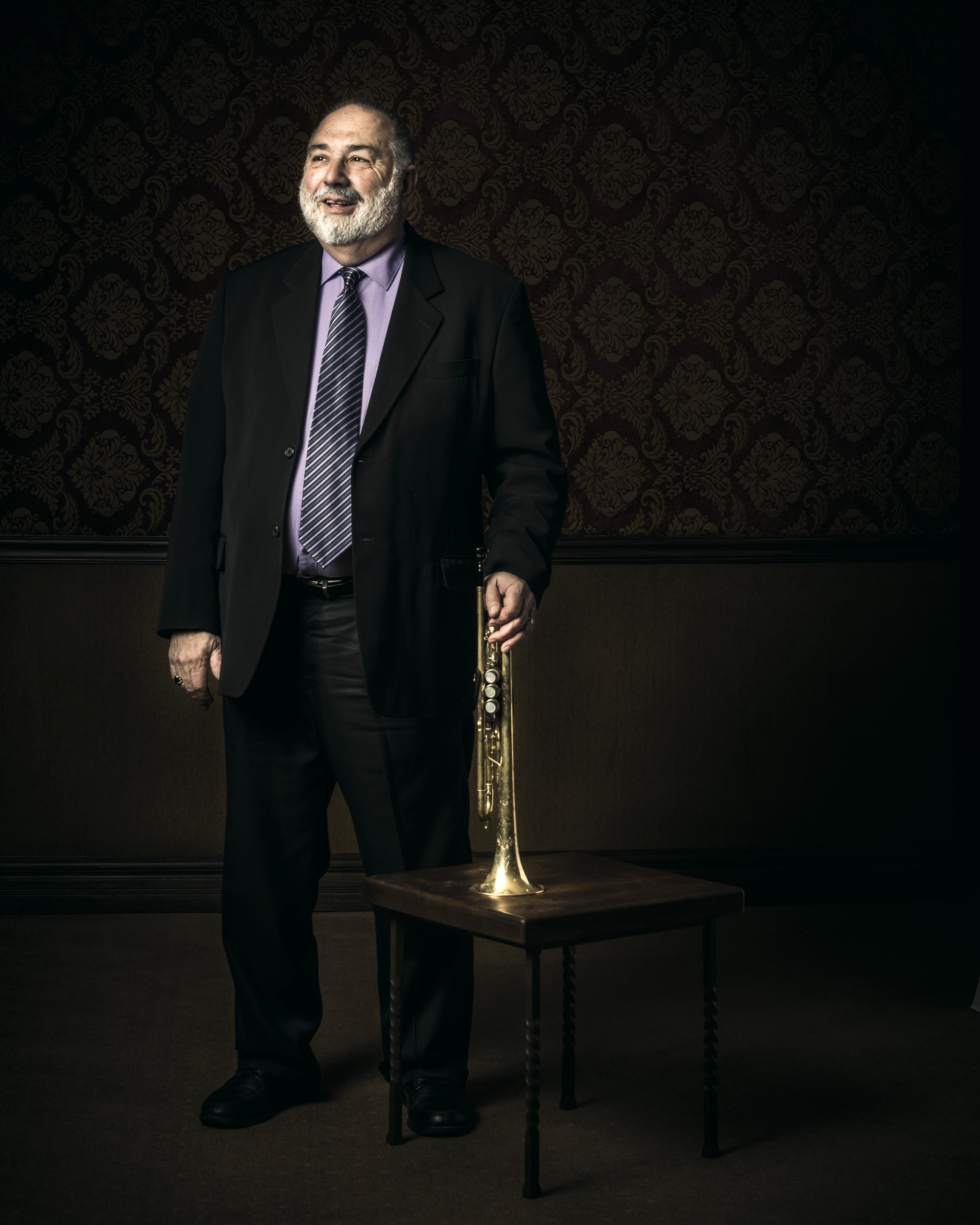
Since 2006 Dario Frate has been designing and making mouthpieces from his base in Lombardy, Italy. The aim across the entire range is to give the player richness of sound, fluidity, and to do it as easily as possible. These are certainly noble ambitions and I was very keen to try some mouthpieces for myself!

I asked Dario to send me a small selection of mouthpieces with the following brief:

  1. An ‘all-rounder’ for a 3C-style player that can accommodate a warm classical sound as well as lighter styles. SELECTED: 3 M,3,106 with a semi-round rim
  2. A possibly shallower version of the above mouthpiece that could help the same player make a brighter sound. SELECTED: 3 HM,106 medium rim shape, medium large backbore
  3. A slightly wider rim mouthpiece aiming at a 1.5C-style player that still gives a degree of versatility. SELECTED: 1 M,3,106 with a semi-round rim
  4. A symphonic style piece allowing a free blow with a rich tonal core. SELECTED: 6+ M,3,106 with a semi-round rim

Below are my thoughts after taking them all through their paces. For general comparison and reference points I have used the Bach sizes to describe them, purely because these are references that most people are accustomed to, and not because they are in any way modelled after the Bach range.

3 M,3,106

First impression on the chops is that this is a very comfortable semi-round rim. The response is quick and the notes slot very easily, far easier than many of the 3C-style mouthpieces that I have played on in the past.

Working through some flexibility exercises (Colin), the word that springs to mind is ‘easy’. There is also a depth to the sound that I often find is missing when playing on a flexible and easy-slotting piece. After playing through some middle register melodies for a few minutes, I am finding that the sound is opening up more as I get used to backing off the air a little bit. This really does tick the boxes that I was looking for with this brief – a solid, warm, centred sound with flexibility and slotting.

3 HM,106

The medium-rounded rim on this has the high point nearer to the centre of the rim rather than the inside. This is really helpful for a little more lip compression without needing to go to a smaller rim size. The cup is also slightly higher without being too shallow. I often find that my fleshy lips bottom out easily on really shallow cups so this seems like a good compromise for me. 

The response is lightning fast with a nice bright yet rounded sound. I am no lead player by any stretch of the imagination but I am able on this mouthpiece to play with good flexibility and control with a centred sound above the stave up to high Fs and Gs – which is the upper limit of my normal controlled, working range. This strikes me as an ideal mouthpiece to look at if you are a legit player looking for a more commercial type piece to switch to when required, and also for more natural commercial players who like a slightly wider rim and a fairly open backbore.

1 M,3,106

This is similar in setup to the first mouthpiece that I played but with a slightly wider inner rim, getting closer to a 1.5C kind of feel. Again, this is really comfortable with a nice balance of cushioning and inner-rim ‘bite’. Flexibility and slotting feel great, and the biggest thing that strikes me is the consistency and depth of sound that I am able to make across the entire range of the trumpet. Playing on these slightly larger rim mouthpieces does not come naturally to me so I have had to spend a good 20 minutes playing through studies and exercises on this one before I can really get the measure of it. And boy was it worth it!!! It has been a long time since I was last able to make a sound this big and broad that still has good control and centre. 

6+ M,3,106

I asked Dario to recommend a setup that could suit a symphonic player who likes the feel of a 1.25C type rim but wants more depth and tonal core. The 6+ that I have been sent has a larger rim diameter than the previous model and slight V-shape to the cup. The sound is huge and still beautifully centred. I have to confess though, that having not played on this style of mouthpiece since college 20 years ago, I am not the best person to really put this through its paces. Some symphonic colleagues of mine here in Manchester kindly agreed to help!

Both of them have generally played on slightly more open feeling mouthpieces to a standard 1.25C, and both agreed that this fits really nicely in that zone. There is a warmth and centre to the broad sound that I am hearing in medium dynamics that holds together really well as they really open up. There are also some really nice increased overtones at the louder dynamics, particularly noticeable on the C trumpet. Feedback from both players is that these feel really comfortable to play too, with the same easy flexibility and slotting that I found on all of the other mouthpieces. You never know, I may have just made a couple of sales here!

In summary, Frate Precision is a really coherent range that sticks to that ethos of richness, fluidity and ease across the entirety. Many mouthpiece manufacturers will make fantastic mouthpieces to suit any player’s requirements and across those ranges will be enormous variation in feel and core sound. This is not a bad thing! We all as players look for THE ONE, so we are so lucky at the moment to have so many dedicated designers and makers who will help us to achieve that goal.

The feature that Dario Frate has brought to his range is that ALL of his mouthpieces should make our jobs as trumpet players, slightly easier, while keeping a rich tonal core in mind. If this is something that you are looking for, you will more than likely find something in this range that suits you.

For further information and expert advice, you can contact Dario Frate directly via his website.

For sales enquiries and advice on which model to select, please visit our Online Store

You may also be interested to read these interviews with Frate Precision artists Massimo Longhi and Fabrizio Bosso, as well as this interview with Dario Frate himself.

Sign up here for new blog articles emailed direct to your inbox:

[jetpack_subscription_form show_subscribers_total=”false” button_on_newline=”false” submit_button_text=”Sign up” custom_font_size=”16″ custom_border_radius=”0″ custom_border_weight=”1″ custom_padding=”15″ custom_spacing=”10″ submit_button_classes=”” email_field_classes=”” show_only_email_and_button=”true”]

Gear Review · Interview

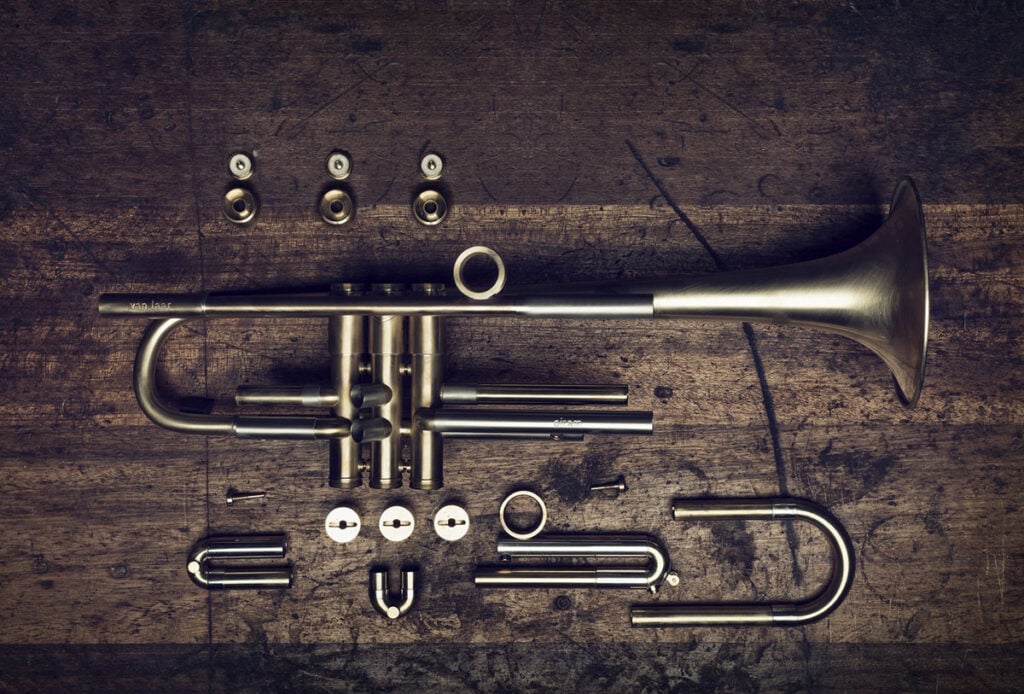
Van Laar Trumpets : Interview and Instrument Overview

Interview with Hub Van Laar (June 2018 @ ITG Conference, San Antonio)

What made you want to play brass in the first place?

As a child you had 2 options in my village. I began by playing football, and in my first game I scored 3 goals… in the wrong direction! It was then decided that I should go to the ‘Fanfare’ and play an instrument! I mainly played trombone and got to a very high level. I stopped playing however because of stage-fright. The nerves affected me so badly, and after trying hard to overcome this, I pursued the repairing.

Hub_crop

What made you want to get started with designing instruments?

It was funny – when I was 8, I said I wanted to be a trumpet-maker. I always had that goal. I don’t know why! I wanted to be a trumpet-maker and a farmer. I played in the local brass band, and I was thinking, “Somebody has to make these instruments”. The military band were looking for someone to repair. After that I went to work for a large Dutch manufacturer, and then had the opportunity to work for a small manufacturer in Stuttgart as part of a team of just 4 people. There you had to do everything, it was a great experience.

I have always loved my work and have never been a person that likes to have a day off. I am always happiest when I am busy. The workshop is just 46 seconds from my house!

What were the first models that you designed and built from scratch?

You start working out of necessity and repairing to earn money. I then started to adjust and adapt instruments and would get lots of players to play them to hear what they thought. I started with the flugelhorn because in Holland and Belgium we have ‘Fanfare’ groups with 10 or 15 flugelhorns. This was my market! The trumpets came after that, then the cornet, and now this year the piccolo trumpet is ready.

You have to be very careful bringing a new model onto the market, as if it is not quite ready, before you know it you have a bad reputation. I have to be 100% sure that it is perfect.

You have a number of very well-established models in your range now. Where they all designed with a particular sound or style in mind, or developed more for particular players?

In the beginning I worked with a number of players. The difficulty is that everybody tells you something different! The one unstable factor in an instrument setup is the player him or herself. With lots of players around me, I found that the quality got worse because you are constantly having to change things.

I now do most of the testing myself, and then take it to various players once I am completely happy with the design and setup. Listening to the customers is really important. I start a design by listening to what players need, I then go away and work on the technical stuff to create it. You learn this by doing it, it is not a case of reading a book and then knowing what to do. I believe this is a great strength.

Would you say that all of your trumpets across your entire range have particular characteristics that set them apart from many other makers?

They play in tune! It is also important to me that they look good. People’s first contact with my instruments is with their eyes so I need this to be good. The second thing people are interested in is the valves – if they are not perfectly smooth and responsive, they will put the instrument back down again. The third thing is when they start playing!

So, what’s next?!

Life is like sitting on the bullet train in Japan. Everything goes by so quick! At 40, I never worried about that, but after I hit 50, I think about that a lot. I intend to enjoy life more and work slightly less. I have a plan in place for 10 years’ time, for the company to go to a trusted friend who works with me, so that the good work can continue, and the name does not get lost!

Are there any new models that you are keen to explore?

The most important thing for me is that every new model and design is better than the last one. I am not able to spend a lot of money on marketing, so I have to make sure that the quality of my instruments speaks for itself. We just concentrate on one model at a time to ensure that everything is as good as it can be.

We have been working hard on the piccolo, and we have another C trumpet model, that I worked on with a player at the Concertgebouw. Our next investment is going to be in a CNC machine which will help a lot with our design processes. The most important thing for the future is maintaining the high quality that we have now.

Is there anything else that you would like to add?

It is not possible to make these instruments alone. Without Heidrun who deals with the business side, none of this would be possible. I cannot deal with that side of things, I just want to make great instruments.

Instrument Overview with Jesse McBee of Thompson Music:

“At Thompson Music, we are proud to be a dealer for Van Laar trumpets. Particularly, we’ve been impressed by the versatility of their product line, as well as the Van Laar team’s attention to detail, quality, and customer service. From their line of Bb trumpets, the most popular horns we sell and usually stock are the B1, B2, B4, B5 and B7, as well as the Oiram II and Oiram III.  From the flugelhorn line, we see much interest in the B2, B3, and Oiram Fresu.

As aforementioned, the Van Laar line is diverse enough to have an offering for every player’s performance demands. From lead trumpet, to chamber music, to solo playing, to small group jazz, there is a horn to fit that player’s needs. Additionally, several models serve as great all-around instruments should the player need an instrument for various playing demands. Van Laar’s attention to detail is impeccable, combining the benefits of a handmade product with modern quality control tolerances.  Our customers are consistently impressed with the quality and presentation of the product, as we have been when our orders arrive in the store.”

To see the full range of Van Laar trumpets and flugelhorns, please visit the Thompson Music website.


Sign up here for new blog articles emailed direct to your inbox:

[jetpack_subscription_form show_subscribers_total=”false” button_on_newline=”false” submit_button_text=”Sign up” custom_font_size=”16″ custom_border_radius=”0″ custom_border_weight=”1″ custom_padding=”15″ custom_spacing=”10″ submit_button_classes=”” email_field_classes=”” show_only_email_and_button=”true”]

Advice · Gear Review

Buying Guide : Practice Mutes

Practice Mutes have become accepted as a necessary evil for brass players.  They are not an ideal way of preparing yourself, however there are times where we all accept that you just need to practice or warm-up quietly.  Listed below are a number of mutes currently available that will all do the job.  They will all have different strengths though, so I have tried to demystify them somewhat with this ‘Buying Guide’.

NB. The prices listed here are meant as a guide and are subject to change.

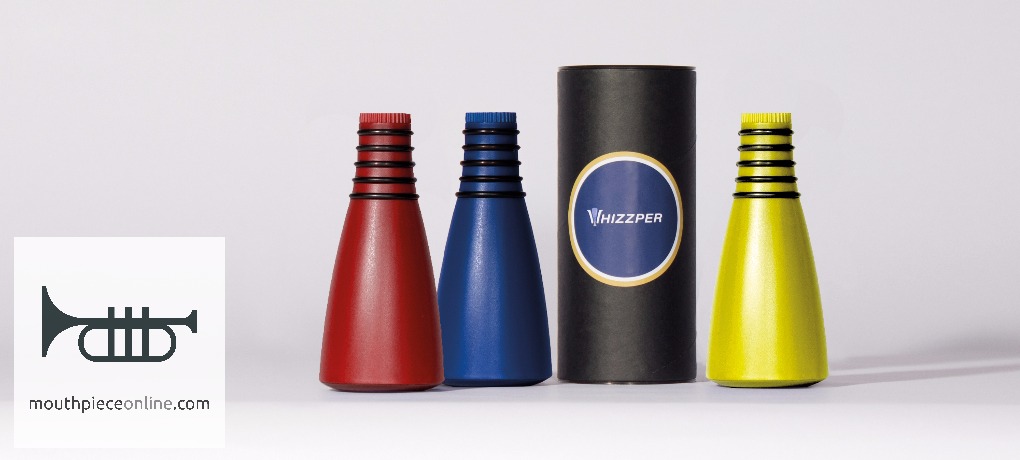
Vhizzper Practice Mute and Buzzing Aid

I have put this at the top because it is by far the best practice aid that I have come across. A great mute that does not allow you to overflow while practising, and also has a built-in mouthpiece buzzing aid. Around $80, worth every penny!

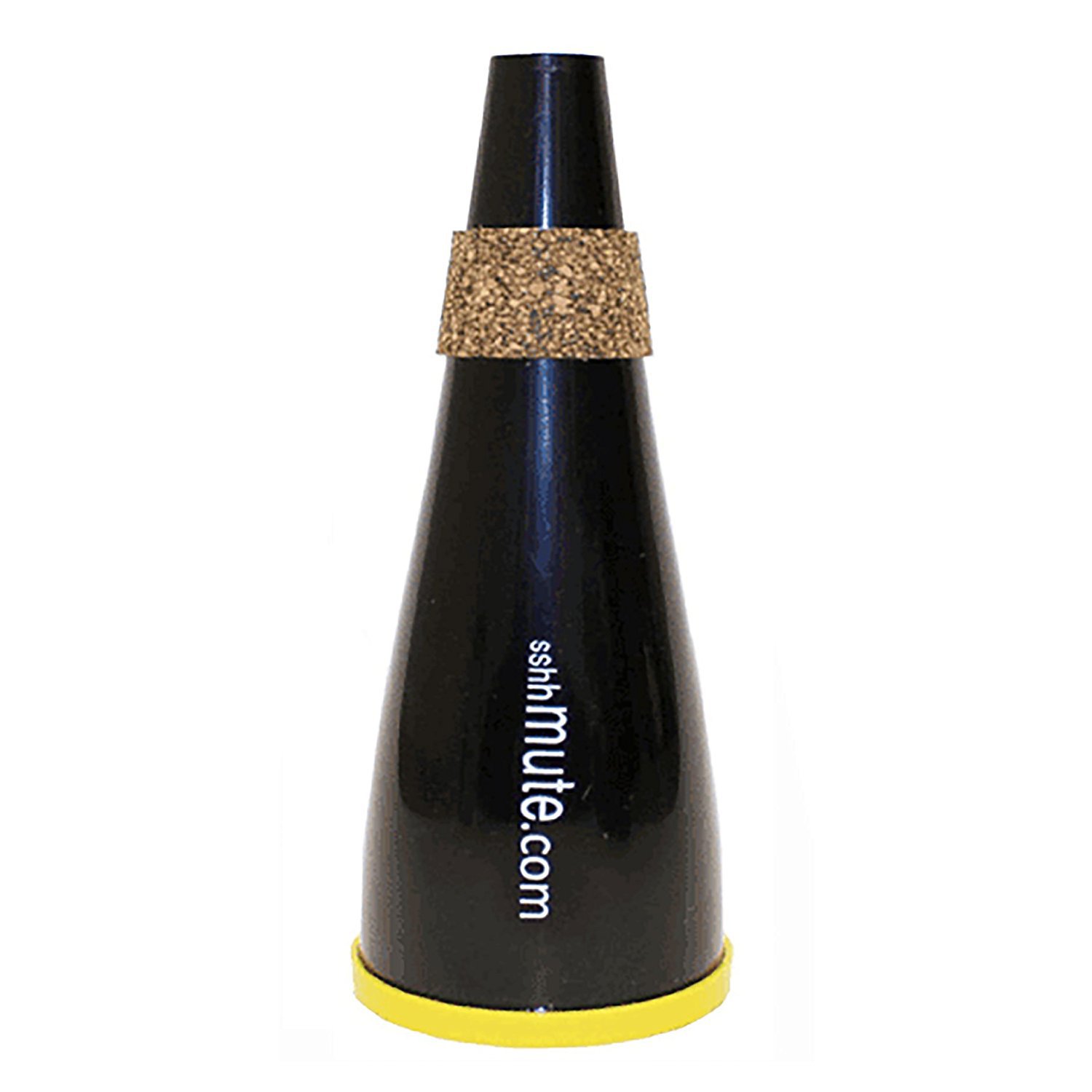
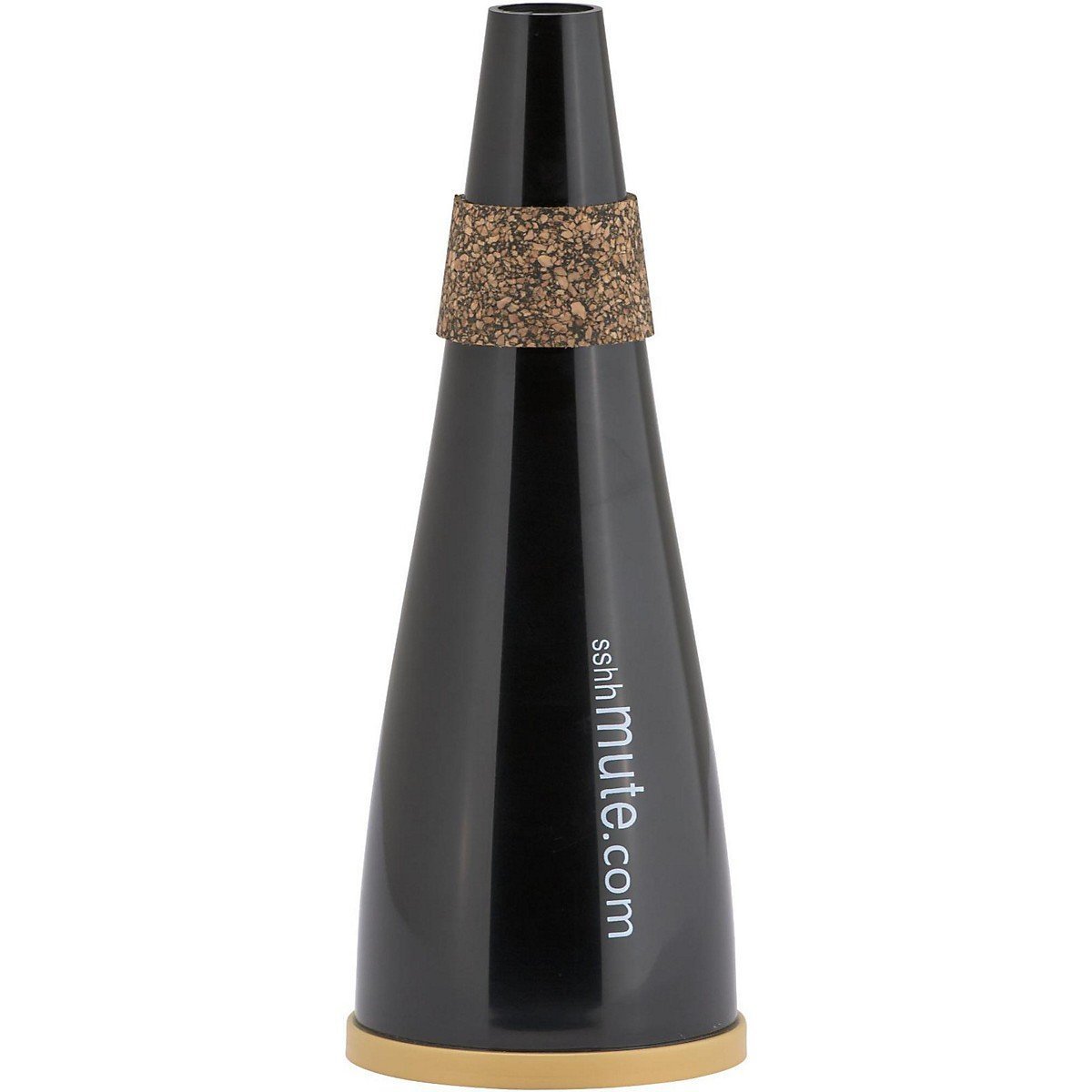
Sshhmute Practice Mute for Trumpet

A really great lightweight and responsive mute.  The intonation is pretty good across the range. Low C and below tends to be slightly sharp as with pretty much all practice mutes, however this is better than most.  Priced at just $50, this is a really good all-rounder.

sshhmute

Sshhmute Practice Mute for Piccolo Trumpet

Lightweight, robust and actually surprisingly free-blowing for a piccolo practice mute.  A good buy at $50.

sshhmutepiccolo

Sshhmute Whisper Mute for Trumpet

As with the other Sshhmutes, this has very low resistance and a nice quick response.  The Whisper Mute has a lovely soft tone that can also be used in a section where a real muted pianissimo is required.  Again, a good buy at $50.

sshhmutewhisper

Trumcor Trumpet Lyric Stealth Mute

This is not the quietest practice mute on the market, however it is one of the most even and allows you to blow pretty honestly.  This is a great hotel room tool!  $60 for this one.

trumcor-lyric-stealth

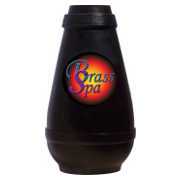
Brass Spa Trumpet Practice Mute

This is extremely decent especially considering its modest price tag of $35.  Back pressure is pretty low, cutting down on over-blowing, and intonation as also surprisingly good for the price point.

brassspatrumpetpracticemute-a

Best Brass Trumpet Practice Mute

This is an excellent compact mute that only just protrudes from the bell.  You do not get a feeling of ‘battling’ this mute as it feels really natural.  It is quieter than most and also has decent intonation. $94.99

bestbrasstrumpetwarmupmutethumb

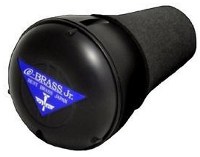
Best Brass Jr. Trumpet Practice Mute Ebrass

This is a plastic (and therefore lighter) version of Best Brass’ practice mutes.  There are some small compromises in resistance and tuning compared to its big brother, however this is reflected in the lower price of $54.99, and it is still a darn good mute!

bestbrassjrsmall

Trumcor Trumpet Super Stealth Mute

Like the Lyric Stealth, this has a nice even response across all registers and dynamics.  It is softer however, so inevitably has slightly more resistance. $45

trumcor-super-stealth

Softone Mute for Brass – Trumpet

This lightweight neoprene will fit easily in any case and is great for travelling.  There are a number of sponge ring inserts so that you can adjust the volume and resistance levels.  It also doubles up as a very compact bucket mute by hanging it over the bell of your horn.  Even if you already have a preferred general practice or warm-up mute, this is something a little different that will always have a use. $39.99

Softone Mute

Trumcor Piccolo Trumpet Stealth Mute

This is very quiet and perfect for that ‘back of the church’ warm-up.  $40

trumcor-piccolo-stealth

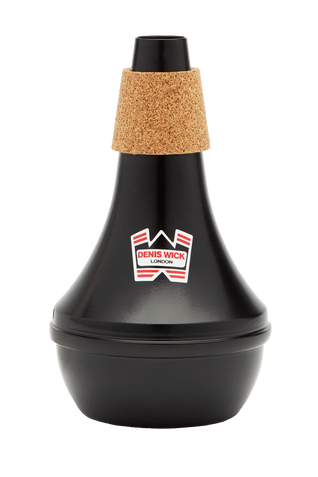
Denis Wick Trumpet Practice Mute

Let’s face it, all of us have probably had one of these classics at some point!  A good solid all-rounder that allows for a quiet warm-up. The intonation is perhaps not quite as good as some of the newer designs on the market, however still a good mute for the price. $42.95

Wick Practice Mute

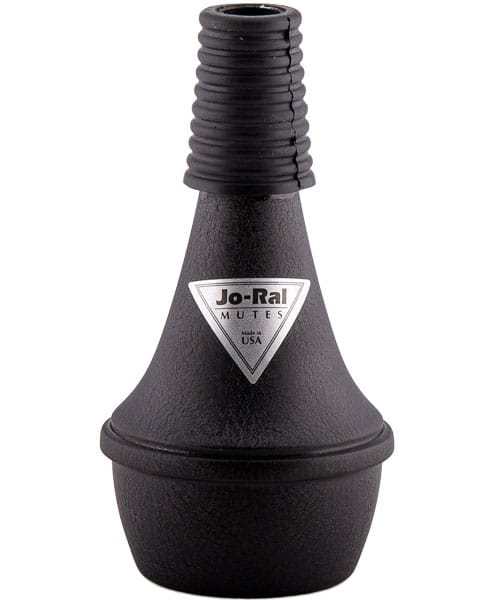
Jo-ral Trumpet Practice Mute

This is not the quietest mute on the market, however the intonation across the range is very good. $46.99

joral-trumpet-practice-mute-tpt1p-1

Yamaha SB7XC Silent Brass System for Trumpet

The Silent Brass system has been around for a while now, and the latest pickup mute is very good indeed.  Now fitting completely into the bell for storage, the intonation, response and quiet volume are all very good.  Even at the price of $189.99, the sharpness in the lower register has not been completely eliminated, however the digital technology that comes packed inside the Personal Studio, and the acoustic environment that it creates are exceptional.

yamahasilentbrass-1


Sign up here for new blog articles emailed direct to your inbox:

[jetpack_subscription_form show_subscribers_total=”false” button_on_newline=”false” submit_button_text=”Sign up” custom_font_size=”16″ custom_border_radius=”0″ custom_border_weight=”1″ custom_padding=”15″ custom_spacing=”10″ submit_button_classes=”” email_field_classes=”” show_only_email_and_button=”true”]

Gear Review · Interview

Trumpet Artist Profile: Massimo Longhi

After visiting the Arena in the beautiful city of Verona some 20 years ago, I have been fascinated by not only its history but its use today as one of the most spectacular opera venues that you will ever visit.  Built nearly 2,000 years ago, this outdoor amphitheatre could accommodate over 30,000 spectators, attracting audiences from across the Roman Empire.

What would it be like to work here as Principal Trumpet with its resident orchestra?  Well Massimo Longhi knows!  He has held this position for 25 years now and has kindly shared his thoughts with us.

What got you started on trumpet?

The trumpet came into my life at 10, my grandfather and my uncle played in my family in the village band.

Who and what were your biggest early musical influences?

Certainly, Maurice Andre was decisive, and then the opera, which still fascinates me and stimulates me, and has opened me up to an incredible world and has influenced my way of playing.

Which trumpeters today do you enjoy listening to?

The one and only… Wynton Marsalis

How did joining the ‘Arena di Verona Orchestra’ come about?

The Verona Arena Orchestra is a full-time orchestra that carries out the summer festival in the Arena from May to September and the rest of the year is produced in the beautiful Teatro Filarmonico of the city (18th century theatre) with operas, concerts and ballets.

In 1993 I won the competition for the position of the first trumpet, and have been there ever since.

The Arena in Verona is one of my favourite places to visit! Was it difficult to adjust to playing outdoors instead of a traditional concert hall environment?  Are there any things that you do different technically on the trumpet when playing outdoors?

Every year when we start work in the Arena we need a little bit of acoustic adjustment, the ear has to get used to it. Technically we think we are playing better, rather than stronger, the best thing is to imitate the voice of the singers and to think of projecting the sound.  The less force use, the more the sound projects and sings.  I do not need use any different equipment for playing in this environment.

Are there any favourite memories or highlights from your time so far in the orchestra, that you would like to share?

Today, just as 24 years ago, when I started working in the Arena, the most incredible thing is the moment of silence that precedes the director’s gesture that starts the show and I can assure you that the silence of 15,000 people is magical!

What projects have you got going on at the moment?

In addition to the orchestra, I have been a conductor for some time.  Here is an association that organises my master class concerts and competitions – www.associazionemusicalepozzoli.com

What are the most important things for young aspiring trumpet players to remember?

That the study and the continuous work on the instrument will give the best results, playing an instrument on a professional level means dedicating oneself to it every day.  It’s a bit like trying to fill a bucket with a hole in it!

What gear are you playing on?

I am a Yamaha artist and I use their trumpets but the mouthpiece for the trumpet player is incredibly important!  I play Frate Precision mouthpieces.

What are the benefits that you have found after changing to your Frate Precision mouthpieces?

The first time I tried them I was struck by how they responded to my ideal sound.  It may seem strange but since I use it I have not had any problems with my lips.  I also liked having the opportunity to develop some ideas with Dario and I must say that today I am extremely pleased!

Can you tell us a little about the process involved with selecting your mouthpiece?

Choosing a mouthpiece is not simple but if we base the choice mainly on the sound we want, it is easier to achieve.  Personally, I have to be satisfied with the sound first, and then later I looked for variations on the edge of the rim and the throat that help me to smooth out any imperfections.

Massimo plays on the following model of mouthpiece: Classic Model 2-M-3-106.

For sales enquires and for advice on which mouthpiece to select, please visit our Online Store.

You can find out more about Dario Frate in this interview.

You can read about fellow Frate Precision artist, Fabrizio Bosso in this interview.


Sign up here for new blog articles emailed direct to your inbox:

[jetpack_subscription_form show_subscribers_total=”false” button_on_newline=”false” submit_button_text=”Sign up” custom_font_size=”16″ custom_border_radius=”0″ custom_border_weight=”1″ custom_padding=”15″ custom_spacing=”10″ submit_button_classes=”” email_field_classes=”” show_only_email_and_button=”true”]

Gear Review · Interview

Trumpet Artist Profile: Vince DiMartino

Vince DiMartino is sought after as both a trumpet performer and educator. His vast wealth of performance experience includes lead and solo work with the Lionel Hampton Band, Chuck Mangione Band and Clark Terry Band. Vince has appeared as soloist with top orchestras and bands throughout the USA and also has numerous solo recording projects. He has played an important part for the International Trumpet Guild over the years, and is a regular teacher, clinician and artist at specialist seminars and courses around the world.

Pickett Brass

Through Vince’s relationship with Pickett Brass, I was delighted to be able to put a few questions to him:

What drew you to the trumpet as a child?

I really was interested in drums but they said they had enough so I tried trumpet! I liked it and stuck with it.

Did you have any particular early musical influences or heroes?

Yes! I met Louis Armstrong in my first year of playing. He talked to me and was so nice to me. I also met Maynard Ferguson the same night!  My neighbor was a bass player and told me to get a few records-Miles Davis, Maynard, Rafael Mendez and Billy Butterfield. Lucky me!

Career highlights to date?

So many…but I try to love every day, concert, rehearsal or practicing. I must say there is nothing like playing with my son Gabriel. I love Greece and my friends, Australia and my friends there, Asia….etc. Every place in the world especially home is great!

As a leading educator and clinician, have you found that your approach to playing and teaching the trumpet has changed over the years? How and why?!

Of course! My attention to the basics of producing a consistent sound are always in my mind. My teaching has become more simple. Every school of trumpet thought eventually reaches that same conclusion.

2015 Cancer Blows

As a top performer, are there any particular routines that you follow to keep yourself in good shape for performance?

I try to keep my fundamentals higher than what is required to play most works.

How do keep on top of your trumpet playing while you are travelling?

Keep doing what you do every day the same as best you can. Try to play three times a day. I usually do that at home too.

Can you tell us a little about the current relationships that you have with manufacturers? What was the process like, working with Pickett Brass on new mouthpieces?

We are lucky to have so many wonderful industry people! I know most of them by name, product and reputation. I have been fortunate to have worked pretty closely with many of them.

As far as working with Peter Pickett and Eric Murine, it is wonderful! They have helped me develop a set of mouthpieces for all my trumpets, cornets and flugelhorn. I am lucky to live close to Lexington and can visit frequently. Peter is always willing to listen to me about my “ideas”. He lets me try some things and then we go on, working together hand in hand. I always feel like I am part of the process. As a result, I have felt that many of the things we have to do with a trumpet are more confident and feel good. Eric is a fine player too and usually comes very close to picking what I need to start with. Great team work from all sides.

Pickett Brass Banner

Pickett Brass offer a huge range of trumpet mouthpieces – their experience in trumpet playing and manufacturing gives a broad range that is immaculately designed and produced. As well as Vince, they have an incredible roster of artists including Allen Vizzutti, Rex Richardson, Doc Severinsen and Jens Lindemann. Visit their website to find out more.

Thompson Music stock a great range of Pickett Brass mouthpieces – you can click here to view the full range.

The Vince DiMartino Signature mouthpieces are all available here

Vince is also a Shires Performing Artist: You can view these trumpets here


Sign up here for new blog articles emailed direct to your inbox:

[jetpack_subscription_form show_subscribers_total=”false” button_on_newline=”false” submit_button_text=”Sign up” custom_font_size=”16″ custom_border_radius=”0″ custom_border_weight=”1″ custom_padding=”15″ custom_spacing=”10″ submit_button_classes=”” email_field_classes=”” show_only_email_and_button=”true”]